This website uses cookies to ensure you get the best experience on our website.
let's connect
Human Resources: The Backbone of Sustainable Business Growth
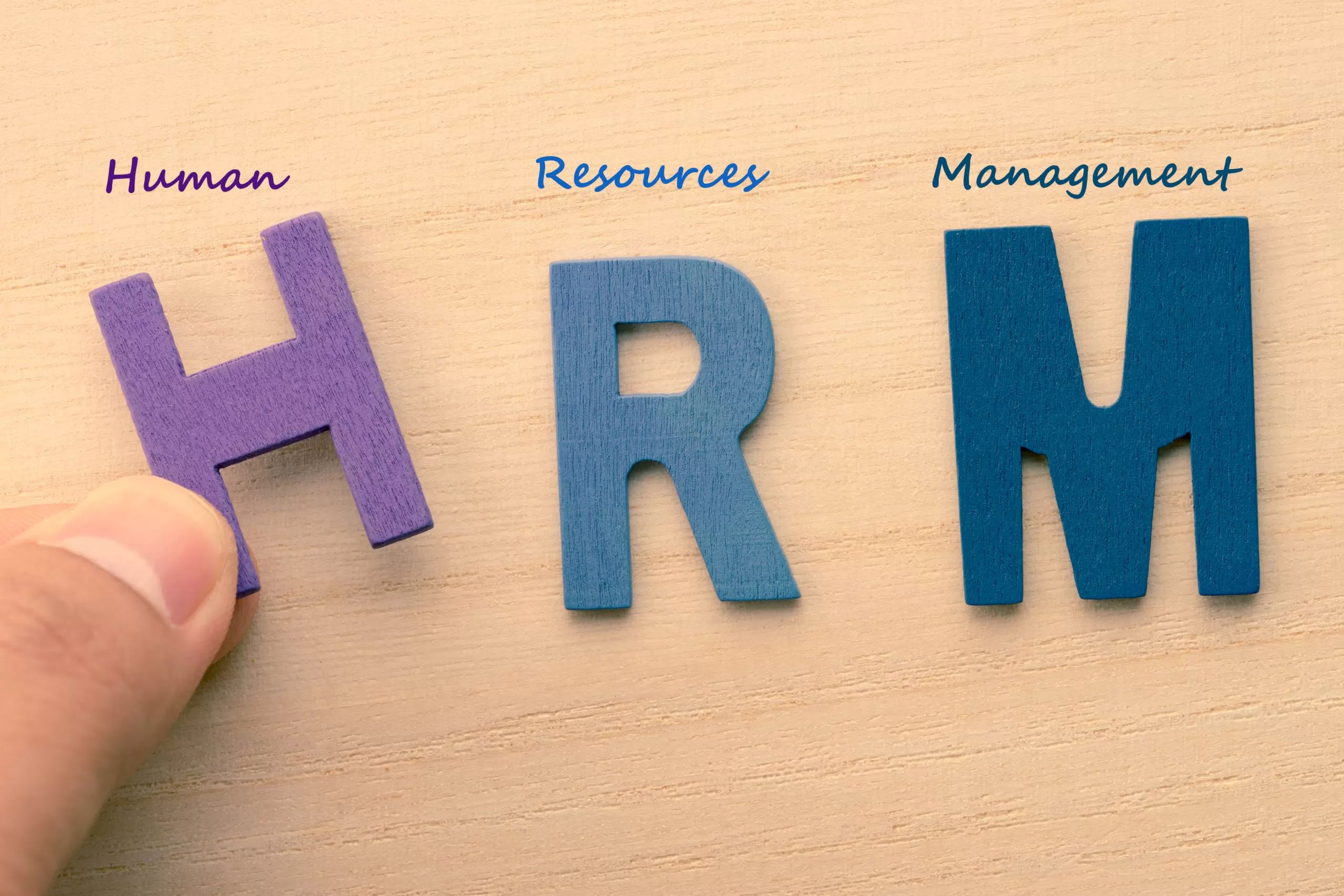
Human Resources (HRM) isn’t just about hiring and payroll—it’s about building a resilient, inclusive team that drives long-term success.
helping SMEs unlock their full potential of HR through strategic planning, compliance, and people-first practices.
1.Aligning HR with Business Strategy
Your people are your greatest asset. By aligning HR policies with your business goals, you create a culture of accountability, innovation, and growth. From performance management to succession planning, strategic HR ensures every role supports your mission.

  • Administrative Function to Strategic Partner:  HR shifts its role from handling routine administrative tasks (payroll, compliance) to actively contributing to the achievement of core business objectives. This means HR leadership is involved in strategic planning from the outset, ensuring that people-related strategies—like talent acquisition, development, and retention—are designed to directly support the company's goals, such as entering new markets or launching a new product
  • Linking People Initiatives to Business Outcomes: All HR programmes and policy are evaluated based on impact and key business metrics. Instead of measuring activity (e.g., "we trained 100 people"), HR measures results that matter to the business (e.g., "the sales training led to a 15% increase in revenue per rep"). This ensures investments in the workforce—from performance management to compensation—thus these deliberate and drive the specific behaviours and skills needed to execute the business strategy effectively.
79f3740fe7a97053a01c576a31972bb5
b8575e2ddac3687e805880732742779e
2. Staying Compliant with Labour Laws and POPIA.
South African labour regulations and the Protection of Personal Information Act (POPIA) require businesses to handle employee data and workplace practices with care. Non-compliance can lead to penalties and reputational damage.
  • Proactive Risk Management vs. Reactive Compliance: Shifts the approach from merely reacting to legal issues as they arise to embedding compliance into all HR systems and processes. This includes conducting regular audits, training managers on the Basic Conditions of Employment Act (BCEA) and POPIA, and ensuring that employee data handling (from recruitment to exit) has lawful justification. This proactive stance protects the business from costly fines, legal disputes, and reputational damage.
  • Building a Culture of Trust and Ethical Data Practice: Positions compliance not just as a legal obligation but as a cornerstone of employee trust and employer branding. By rigorously adhering to POPIA's principles for processing personal information and ensuring fair labour practices, the organisation demonstrates respect for its workforce. This fosters a secure environment, enhances the company's reputation as a responsible employer, and directly supports business sustainability.
3.Driving Growth Through Strategic Talent Development.

Training, mentorship, and inclusive hiring aren’t just ethical—they’re strategic. Businesses that invest in people see higher retention, better performance, and stronger B-BBEE outcomes.

  • Build a Competitive and Future-Ready Workforce: Directly link skills development to strategic business goals ensuring the organization's talent can meet future challenges. By investing in continuous learning and upskilling, companies' close critical competency gaps from within, fostering innovation and creating a significant competitive advantage, rather than being solely dependent on external hiring.
  • Linking Performance Management to Targeted Development: A modern performance management system, through regular feedback and goal setting, acts as a diagnostic tool to identify specific skill gaps and career aspirations for each employee. This data allows HR to move from offering generic training to curating personalized development plans, ensuring that every training investment directly addresses a business need and an employee's growth path, which significantly increases the return on investment in development.
Skill competency development concept. Up new ability skill training for technology evolution. Leadership thinking upskill. Hand hold wooden cube, soft skill digital icon. Education learning talent